The short answer
A heat pump is a strong fit for most Cupertino homes because the Santa Clara Valley's mild, damp winters and dry summers let one system handle both heating and cooling efficiently. You don't have to replace a working furnace, but Bay Area Air District rules for furnaces made from 2029 make planning a heat pump replacement now a practical choice.
PrimeBreeze HVAC Repair Service installs heat pumps for homeowners throughout Cupertino and the 95014 ZIP code, about 6 miles west of our base in San Jose. Whether you're replacing an aging gas furnace, adding cooling to a home that never had it, or planning ahead for Bay Area Air District rules, we help you choose a system that fits your house, your ducts, and your electrical setup. We also serve nearby Saratoga, Los Altos, Sunnyvale, Santa Clara, and Campbell.
Why Heat Pumps Suit Cupertino Homes
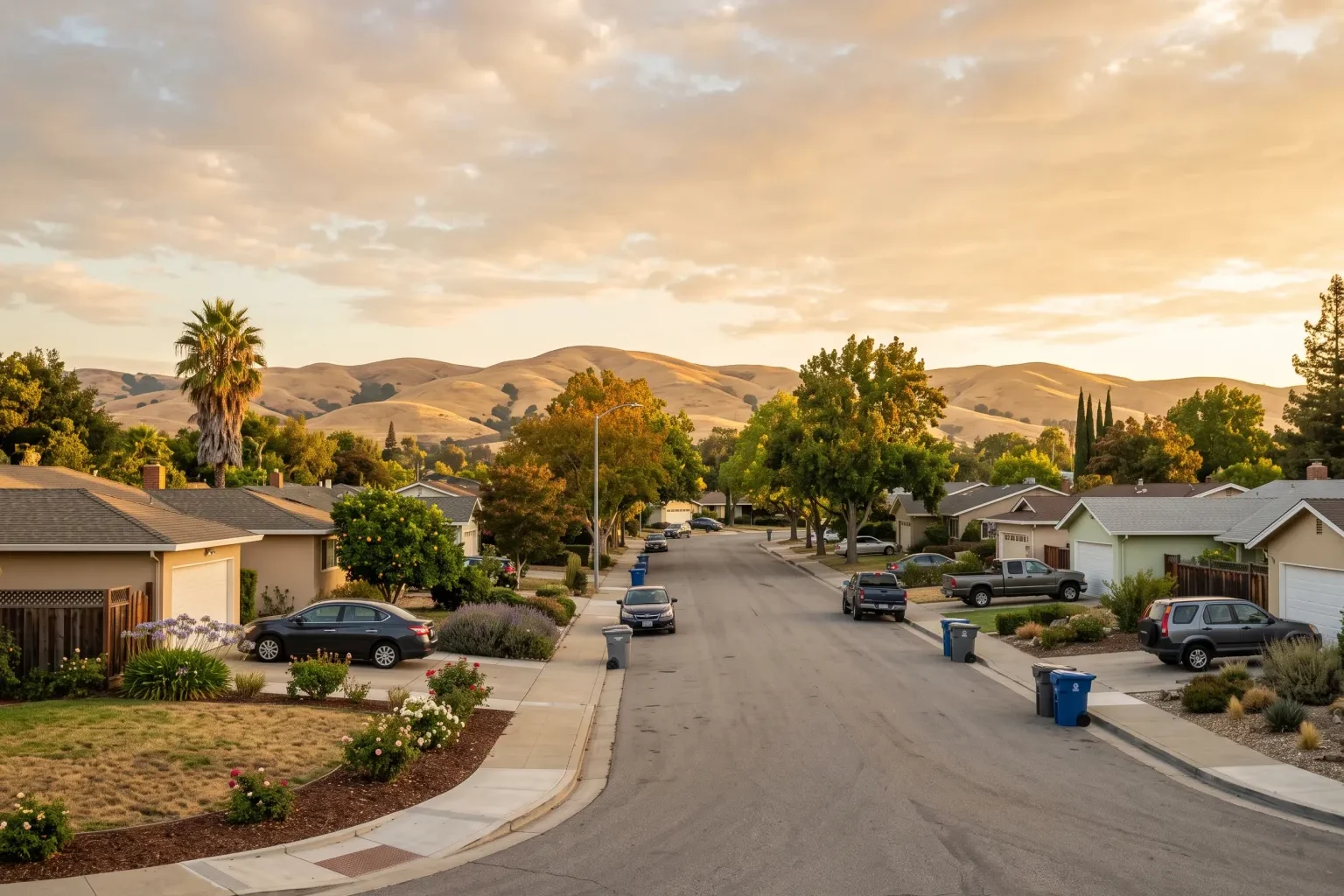
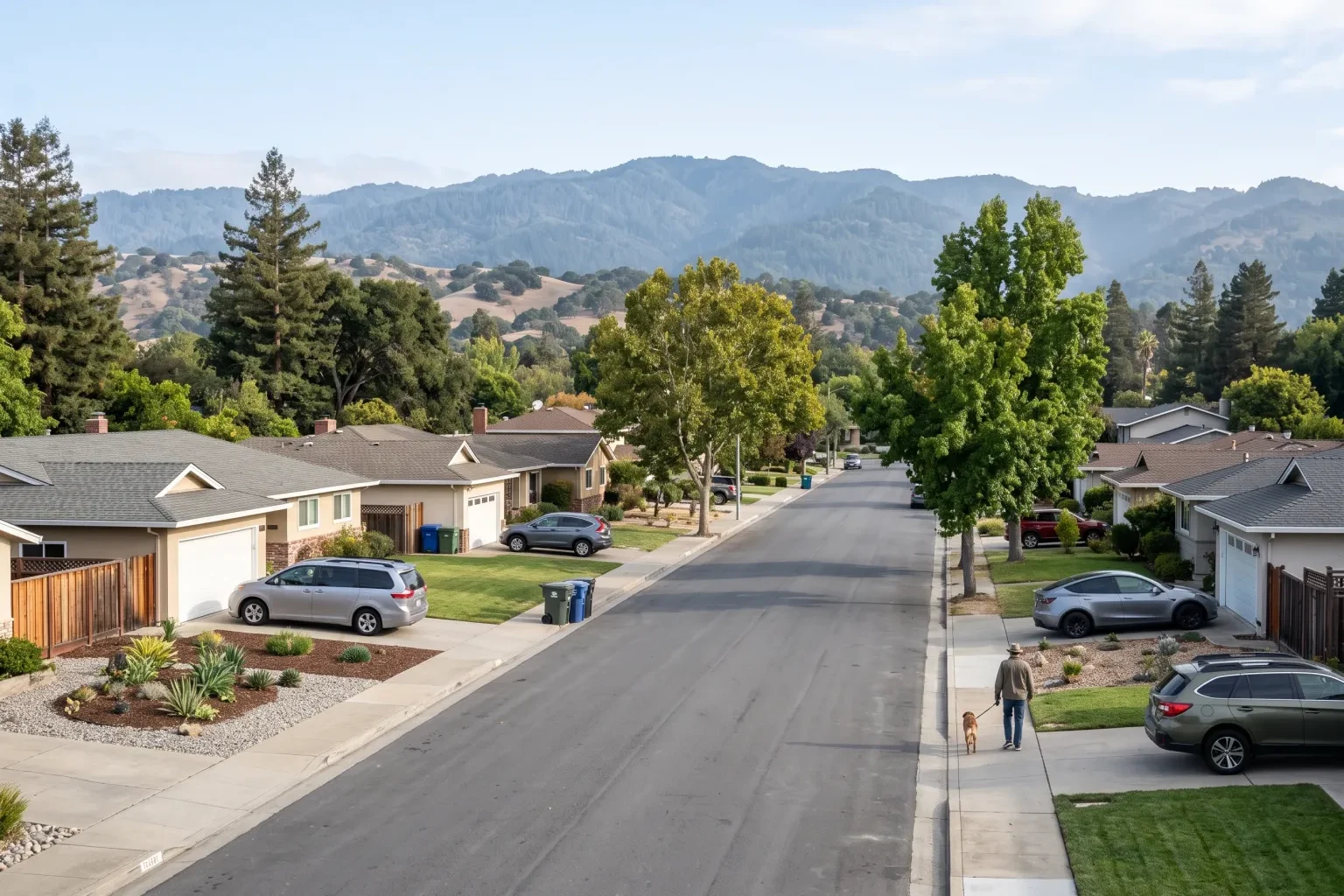
Cupertino sits in the Santa Clara Valley, which has a Mediterranean climate with dry summers and mild, damp winters. That pattern works well for a heat pump. Winter nights call for steady, moderate heat, not the deep cold that challenges heat pumps in other parts of the country. The same unit then handles cooling on warm summer afternoons.
Inland and southern parts of the valley run noticeably hotter in summer than areas near the Bay. So we size cooling capacity for your actual home and location, not a regional average.
Many Cupertino homes have an older gas furnace paired with a separate air conditioner, or a furnace with no cooling at all. One heat pump system can replace both. That means less equipment to maintain, and it adds air conditioning where you may not have had it before.
What Bay Area Air District Rules Mean for Your Furnace
Under Bay Area Air District Rule 9-4, natural gas furnaces manufactured from 2029 must meet a zero-NOx emission standard. In practice, that points homeowners toward heat pumps when a furnace is replaced after that date.
The rules do not require you to replace equipment that's working. They apply only when an existing furnace or water heater fails or is replaced. If your furnace runs well, you have time to plan. If it's older or needs frequent repairs, planning a heat pump now lets you pick the timing instead of making a rushed decision during a cold snap.
How We Plan a Heat Pump Installation
A heat pump performs only as well as the planning behind it. Before we recommend equipment, we look at how your specific house is built and how it's used. That includes:
- A room-by-room load calculation based on insulation, windows, sun exposure, and floor plan, so the system isn't oversized or undersized
- An inspection of existing ductwork for leaks, sizing, and condition, since heat pumps often move air differently than older furnaces
- A check of your electrical panel and circuit capacity, because switching from gas heat adds electrical load
- Placement options for the outdoor unit, considering airflow, noise toward neighbors, setbacks, and service access
- Thermostat compatibility and controls that let the system run efficiently
Ducted, Ductless, or Hybrid: Choosing a System
If your home has ducts in reasonable shape, a ducted heat pump can often use them, sometimes with sealing or modifications. This is usually the simplest swap for a home that currently has a forced-air furnace.
Ductless mini-splits work well for additions, converted garages, rooms that never stay comfortable, or homes without usable ductwork. Each indoor head controls its own zone.
Some homeowners prefer a hybrid setup that pairs a heat pump with an existing gas furnace as backup. We'll walk you through the tradeoffs of each option so you can choose what makes sense for your home and plans.
Incentives and Tax Credits: What's Current
The federal Energy Efficient Home Improvement Credit (25C) covered qualifying heat pumps placed in service before December 31, 2025. It is not available for new installations after that date, even though you may still see it mentioned online.
Cupertino homeowners can check BayREN and their local clean energy provider for current heat pump and electrification incentives. Amounts and availability change by funding cycle, so we confirm the current offer before including it in a quote.
More services in Cupertino
- AC Repair in CupertinoLocal service & repairs
- Heating Repair in CupertinoLocal service & repairs
- AC Installation in CupertinoLocal service & repairs
- Furnace Repair in CupertinoLocal service & repairs